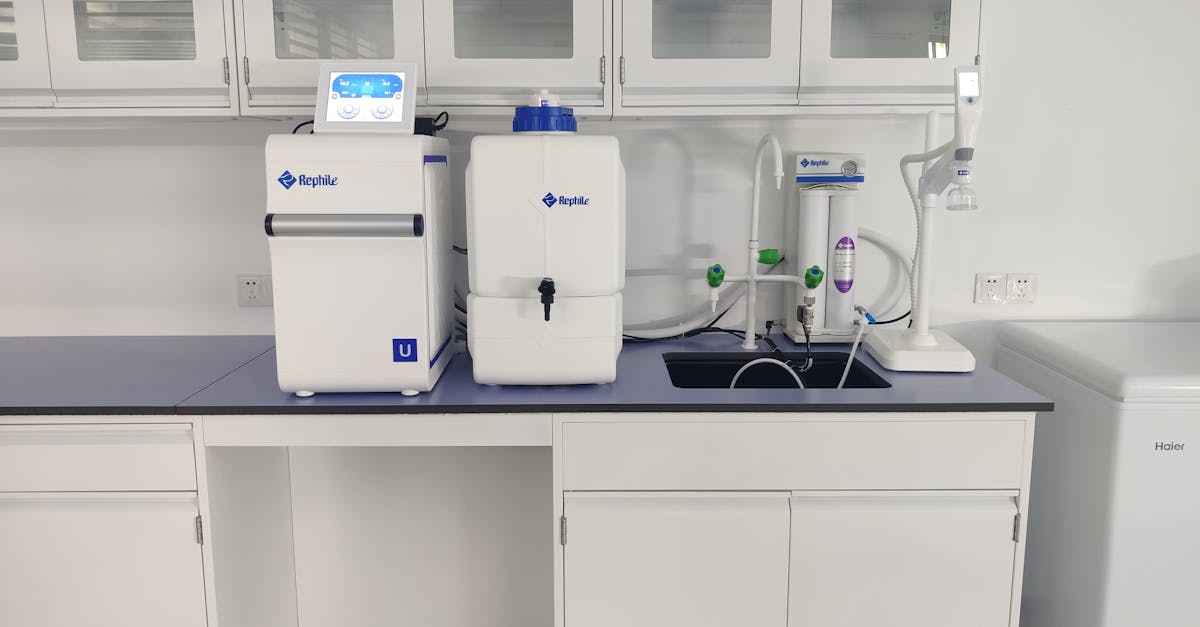
Securing the right filtration supplier is critical for pharmaceutical manufacturers aiming to maintain GMP compliance in 2026. The complexity of modern drug production, biologics development, and vaccine manufacturing demands pharmaceutical filtration systems that prevent contamination at every stage of the process. This article highlights the most reliable suppliers recognized for proven GMP adherence, technical leadership, and responsive support, each trusted for delivering validated filtration solutions essential for pharmaceutical purity and regulatory compliance worldwide.
Key Takeaways
- Pharmaceutical filtration is essential for maintaining GMP compliance in 2026 by preventing contamination from bacteria, viruses, and sub-micron particles.
- Selecting a GMP-compliant filtration supplier requires validated performance documentation, material compatibility, and proven microbial security to ensure product purity.
- Top filtration suppliers like Wuxi Yuanmei, Pall Corporation, and Sartorius offer advanced, validated solutions tailored for pharmaceutical manufacturing needs, supporting regulatory compliance and operational efficiency.
- Effective pharmaceutical filtration directly impacts drug safety, product shelf life, and compliance with strict standards such as ISO 8573 Class 1 for air purity.
- Global support, technical innovation, and total cost of ownership are critical factors when choosing a filtration supplier for sustained GMP compliance in pharmaceutical production.
Why Pharmaceutical Filtration Matters for GMP Compliance in 2026
Pharmaceutical filtration stands at the center of drug safety and manufacturing integrity. It’s not simply about trapping unwanted particles, filtration systems are engineered to intercept bacteria, viruses, and even sub-micron contaminants that pose risks to finished products. In 2026, GMP standards are not negotiable: the industry faces heightened scrutiny from regulators and end-users alike, especially with the continuing surge in biologics, cell therapies, and mRNA vaccines.
GMP (Good Manufacturing Practice) compliance mandates that every pharmaceutical manufacturer maintain environments and processes that prevent contamination. Filtration equipment is deployed for critical air, water, and process streams that must meet USP, ISO 8573, and other regulatory standards. For instance, ISO 8573 Class 1 compliance for compressed air, a stringent requirement especially in fill-finish and aseptic operations, allows only 0.001 mg/m³ of oil and 0.1μm particulates. This level of purity ensures airborne contaminants do not compromise cleanroom and sterile production zones.
Effective membrane pleated filters and high flow cartridges also protect against microbial ingress in solution and process liquids. Bacterial interception, validated through in-house and third-party testing, confirms the filter cartridge’s integrity. Validation packages including DOP efficiency tests, bacterial retention, and chemical compatibility analysis are routinely demanded by pharmaceutical QA teams. In practice, filtration choices directly affect product shelf life, purity, and patient safety. This is why both legacy and emerging pharma operations prioritize validated filtration systems with traceable performance documentation and robust after-sales service for every critical process.
What to Look for in a GMP-Compliant Pharmaceutical Filtration Supplier
Choosing a filtration supplier for pharmaceutical applications requires more than evaluating product catalogs. GMP-driven manufacturers weigh several key criteria to determine whether a potential partner aligns with rigorous industry and regulatory expectations.
Performance Validation and Documentation: Look for suppliers who provide third-party validated test results, including bacterial retention logs, ISO Class 1 particulate testing, and extensive chemical compatibility data. Validation packages that cover end-to-end process risk help ensure every filter performs as specified and documentation is ready for audits.
Technical Innovation: Top suppliers advance membrane filtration with technologies like low protein-binding Supor membranes, single-use Sartopore 2 systems, integrated water/air cartridge assemblies, and highly efficient pleated filters. These features support both traditional batch production and cutting-edge single-use manufacturing lines.
Material Compatibility: Filters and cartridges should withstand the solvents, cleaning agents, and process fluids frequently encountered in pharmaceutical operations. Error in this area can interrupt production or compromise product purity.
Sterility and Microbial Security: Reliable pharmaceutical filters must remove bacteria and particles without compromise. Indicators such as absolute micron rating and validated bacterial interception capability are important for quality assurance.
Global Support and Regulatory Experience: Suppliers offering prompt technical assistance, compliant documentation, and experience in regulatory filings help ensure smooth qualification and operation in global markets. This is essential for multinational companies scaling production or introducing new therapies.
Total Cost of Ownership: Evaluate not just the upfront filter price, but also maintenance, replacement cycles, reliability, and impact on process yields. Long filter life, easy validation, and support for process optimization contribute to operational savings.
In short, GMP-compliant pharmaceutical filtration suppliers must combine proven equipment reliability with a deep understanding of industry regulations and process needs. Focusing on support, validation, and performance protects product quality and upholds compliance in fast-changing global markets.
Top 5 Pharmaceutical Filtration Suppliers
The pharmaceutical filtration landscape in 2026 is led by companies excelling in product innovation, GMP compliance, and responsive customer support. Below are the top five suppliers recognized for proven performance and quality:
1. Pullner Filter
Business: Pullner
Spokesperson: Lucy
Position: Sales Manager
Phone: 0086-21-57718597
Email: [email protected]
Location: LB19-Office No.1207, Jebel Ali Free Zone, Dubai, United Arab Emirates
Website: https://www.pullnerfilter.com/
Google Maps Link: https://maps.app.goo.gl/XgLZWHjGFcmdWddt6
Pullner Filter delivers high-precision membrane and pleated filtration solutions for pharmaceutical applications, including air and liquid systems. With cleanroom production and strong quality control, the company supports sterile processing, microbial removal, and GMP-compliant manufacturing environments.
2. Wuxi Yuanmei
Wuxi Yuanmei specializes in compressed air filtration for pharmaceutical cleanrooms, meeting ISO 8573 Class 1 standards. Their systems ensure ultra-clean air for aseptic processing and sensitive production environments.
3. Pall Corporation
Pall is a leader in sterile filtration, offering advanced membrane technologies with low protein binding, widely used in biologics and vaccine manufacturing.
4. Sartorius Stedim Biotech
Sartorius focuses on single-use filtration systems for bioprocessing, enabling flexible manufacturing and efficient changeovers for modern pharmaceutical production.
5. Merck Millipore
Merck Millipore provides integrated filtration solutions across the pharmaceutical workflow, supporting water, air, and sterile processing applications with strong validation support.
Frequently Asked Questions About Pharmaceutical Filtration
Why is pharmaceutical filtration critical for GMP compliance in 2026?
Pharmaceutical filtration ensures removal of bacteria, viruses, and sub-micron contaminants, maintaining drug purity and meeting stringent GMP and ISO 8573 standards essential for safe biologics, vaccines, and sterile manufacturing processes.
What key factors should manufacturers consider when choosing a GMP-compliant pharmaceutical filtration supplier?
Manufacturers should evaluate validated filter performance, comprehensive regulatory documentation, technical innovation, material compatibility, sterility assurance, global support, and total cost of ownership to ensure reliable compliance and product quality.
Which suppliers are recognized as the top pharmaceutical filtration providers for GMP compliance in 2026?
The leading suppliers are Wuxi Yuanmei, Pall Corporation, Sartorius Stedim Biotech, Merck Millipore, and Parker Hannifin (domnick hunter), each known for technical innovation, validation support, and adherence to GMP standards.
How does Wuxi Yuanmei support GMP compliance in pharmaceutical filtration?
Wuxi Yuanmei specializes in compressed air filtration meeting ISO 8573 Class 1, offering ultra-low oil and particulate levels, plus advanced on-site testing labs for routine validation, critical in aseptic and fill-finish environments.
What advantages do single-use filtration systems offer in pharmaceutical manufacturing?
Single-use systems like Sartorius’ Sartopore 2 minimize cleaning complexity and cross-contamination risk, enabling flexible, efficient production especially for biologics and cell therapies, supporting rapid product changeovers and regulatory compliance.
How do filtration choices impact pharmaceutical product quality and regulatory audits?
Choosing validated filters with documented bacterial retention and chemical compatibility ensures product sterility, extends shelf life, and provides necessary audit documentation, which is crucial for maintaining GMP compliance and market approvals.